Table Of Content
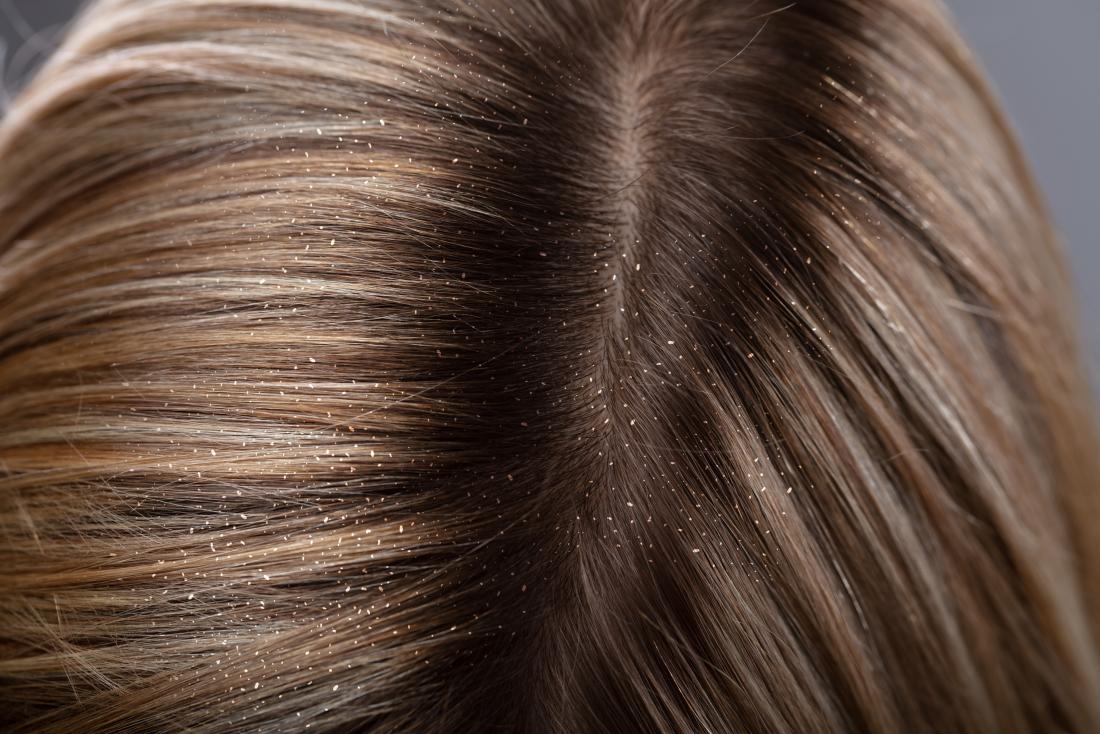
To treat a head lice infestation, people can use medicines called pediculicides, which kill head lice. Some treatments are not suitable for young children, so it is best to check with a doctor or pharmacist before using them. As we discussed above, lice eggs range from golden to very dark brown in color before they hatch. After the nymph hatches out of the egg, the eggshell remains on the hair strand and appears “white” in dark hair. Similar to a chicken egg, after you crack open the egg and remove the insides, all you have left is a white shell. Head lice develop in three stages, from egg to nymph to adult, and a louse looks different at each stage.
Controlling lice in beef cattle Ag Proud - Ag Proud
Controlling lice in beef cattle Ag Proud.
Posted: Mon, 25 Oct 2021 07:00:00 GMT [source]
Dead Nits vs Lice Lice Eggs Video
These hot spots are the places that lice like to lay their eggs the most. They are behind both ears, the nape of the neck, and the crown of the head. You can find these nits during or after an active head lice infestation.
#4 – Check Close to the Scalp for Nits
Adult lice live about 30 days, and quickly die if they fall off the head. They are prolific breeders, with females laying about six eggs per day. In this article, we explain what living and dead lice eggs look like and how to get rid of them. Lice eggs that die in their casings before they hatch are usually brown or black. But that color can also mean they are close to hatching. Hair casts slide easily along the hair, whereas nits stick to it and are harder to remove.
Are nits dead if they’re brown?
As described previously, nits are the eggs that head lice lay on the hair shaft. Nits are glued to the strands of hair and can appear translucent or brownish in color when on the strands of hair. To identify nits, try to remove one; if it sticks, it is likely a nit.
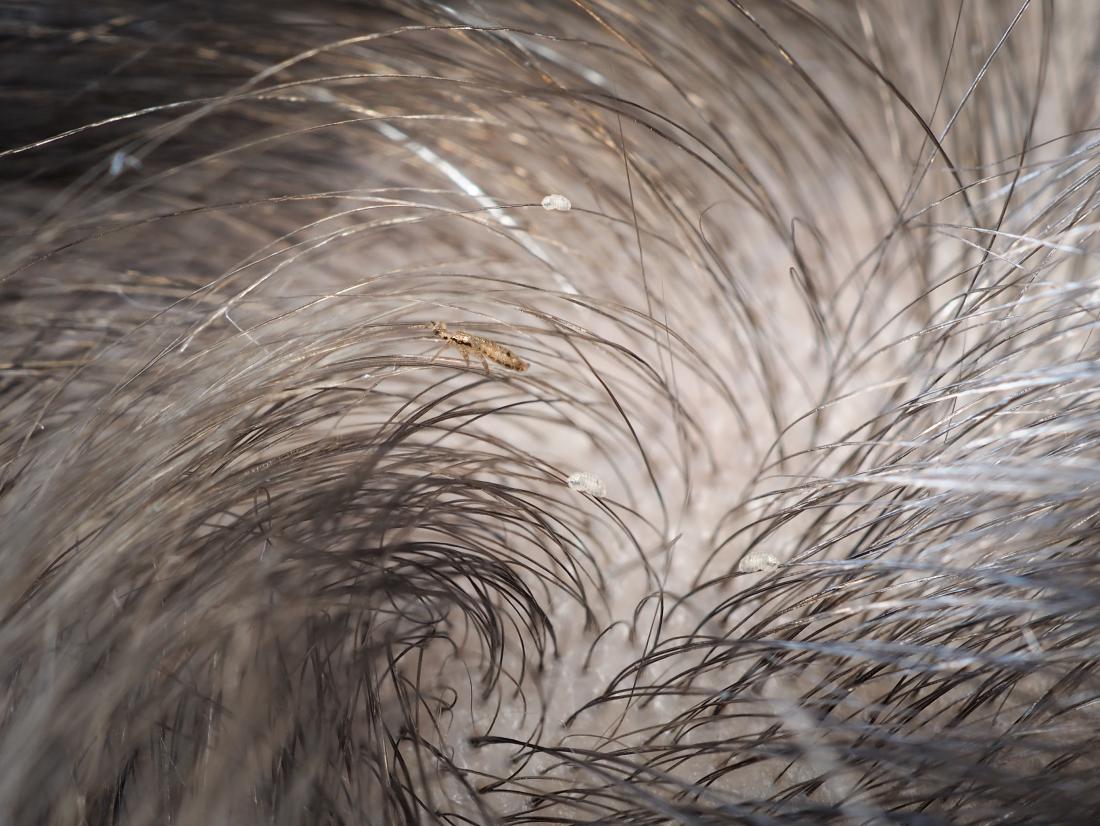
Head lice blend in with human hair to avoid detection. Adult lice feed multiple times a day and after ingesting blood, the bugs will be reddish which allows you to see the better in the hair. Using a bright light and magnifying glass are important tools in lice treatment.
Head lice are often visible to the naked eye and leave telltale signs behind. Lice reside close to the scalp but can also be found in the eyelashes and eyebrows. However, lice infestations can also be asymptomatic, especially in early or mild infestations. People also use a number of home or natural remedies to get rid of head lice. But there is little to no clinical evidence that they're effective.
Hot Spots
Eggs hatch into nymphs, smaller versions of adult lice, which mature into adults about 2 weeks later. Lice are tiny, measuring only about 2-3 millimeters, about the size of a small seed. Adults are oval-shaped and grayish-brown with no wings. From a distance, they look like little more than tiny specks. That might be why it is so easy to miss a lice infestation. To kill any lingering nits and lice, wash clothing, bedding, hats, and towels in hot water on high heat.
Subscribe to Advancing Health
The size depends on how much blood was ingested by the live louse, how allergic you are to the lice saliva, and how much you scratch your itchy scalp. If possible, avoid scratching until you are lice-free. Once you know what head lice look like, (remember they are wingless) you will be able to tell whether they are really lice or bedbugs, gnats, fleas, etc. Nymphs are smaller than adults and can be difficult to spot with the naked eye, particularly on different skin tones or hair colors.

Look for live lice and any nits within 1 cm of the scalp surface. Use a bright light, a fine-tooth nit comb, and the wet comb-out method. Many over-the-counter (OTC) lice treatments are available at drugstores. These do not require a prescription, but you should use care since they are pesticides, meaning they kill bugs. These medicated shampoos usually include pyrethrins or permethrin as active ingredients.
They are uncommon and often have an association with other skin conditions. Follow along with the videos and you'll be done with lice by the end of the day. The creepiest part is that the red color seeps into every part of their body. Just follow the step-by-step videos and be done with lice by the end of the day. By Vincent Iannelli, MD Vincent Iannelli, MD, is a board-certified pediatrician and fellow of the American Academy of Pediatrics. Dr. Iannelli has cared for children for more than 20 years.
But more research is needed to prove their safety and effectiveness. You follow along with the videos on your child and by the end of the videos your entire family and home are lice free. These are all lice I have pulled off people and photographed in my lice center. Lice are bit smaller and vastly prefer to live in their host’s hair. Lice are very small and only with a microscope can you can get a really good picture of their body. This is an image of one louse crawling on a hair follicle.
If many lice are still present and active, they might be resistant to treatment. An over-the-counter shampoo can kill the lice and their eggs. People should always follow the instructions on the packaging. Lice cannot hop or fly, which means the contact has to be close. Because young children spend so much time in close quarters with other children – and are often eager to share – they tend to get lice more than adults. Eggs are sometimes called nits and tend to be located at the root of the hair, right next to the scalp.
Some people only use "nits" to refer to empty egg casings while "lice eggs" is used for eggs that can hatch (viable eggs). However, other people use "nits" to refer to both viable lice eggs and empty egg casings. Here you can see adult lice, some nymphs, and a few eggs still attached to these hair follicles.


No comments:
Post a Comment